
Product photos, size range, material, color and OK / NG samples.
Back to Applications
Case Studies
Solution logic from defect samples to equipment configuration
These cases explain common evaluation paths. Final configuration depends on samples, defect criteria, throughput and factory loading method.
Case Studies
After sample details are submitted, these four evidence groups are checked first
Defect location, decision limits and OK / NG comparison samples.
Target capacity, feeding, rejection, packaging or line-integration requirements.
Inspection feasibility, recommended system and sample-test risk items.
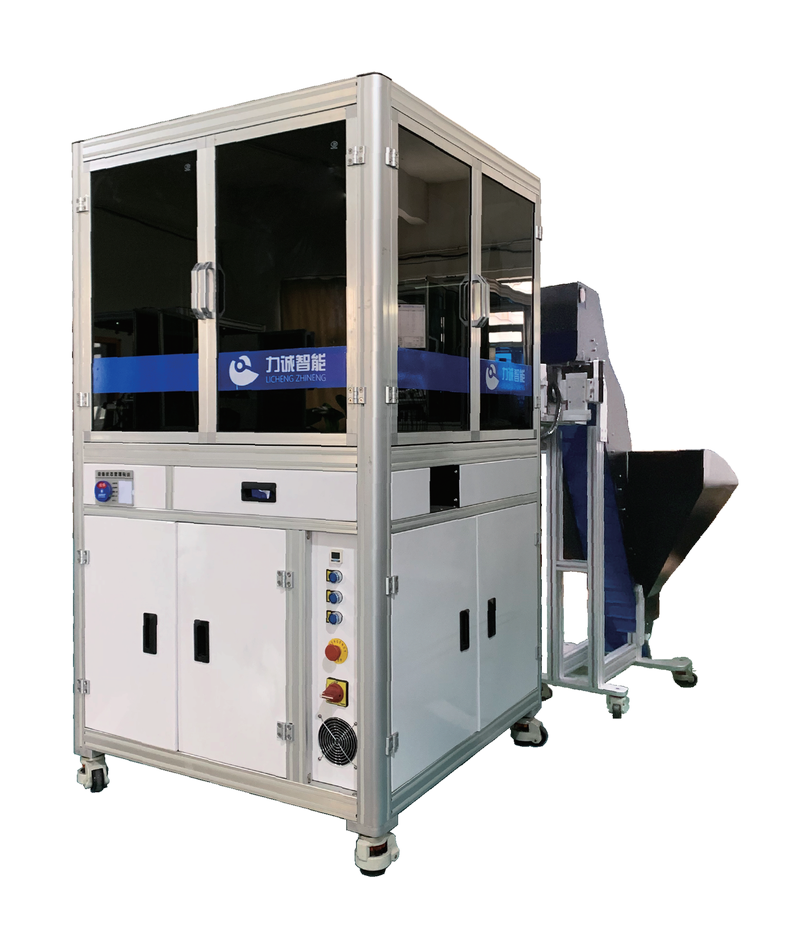
O-Ring Inspection
Small O-ring appearance and dimensional inspection
For mixed small rubber seals, focusing on flash, notches, blockage, deformation, ID / OD and concentricity.
- Recommended system: SExpert small-size turntable inspection system
- Modules: top and bottom cameras, dimensional measurement, AI defect recognition
- Extensions: sorting statistics, packaging integration and batch traceability
Project Evaluation Focus
- Sample input
- Group trial samples by size range, material, color and OK / NG parts.
- Validation focus
- Confirm stable separation of flash, notches, blockage, deformation and dimensional limits.
- Configuration boundary
- Throughput, feeding method, reject count and packaging integration define the final setup.
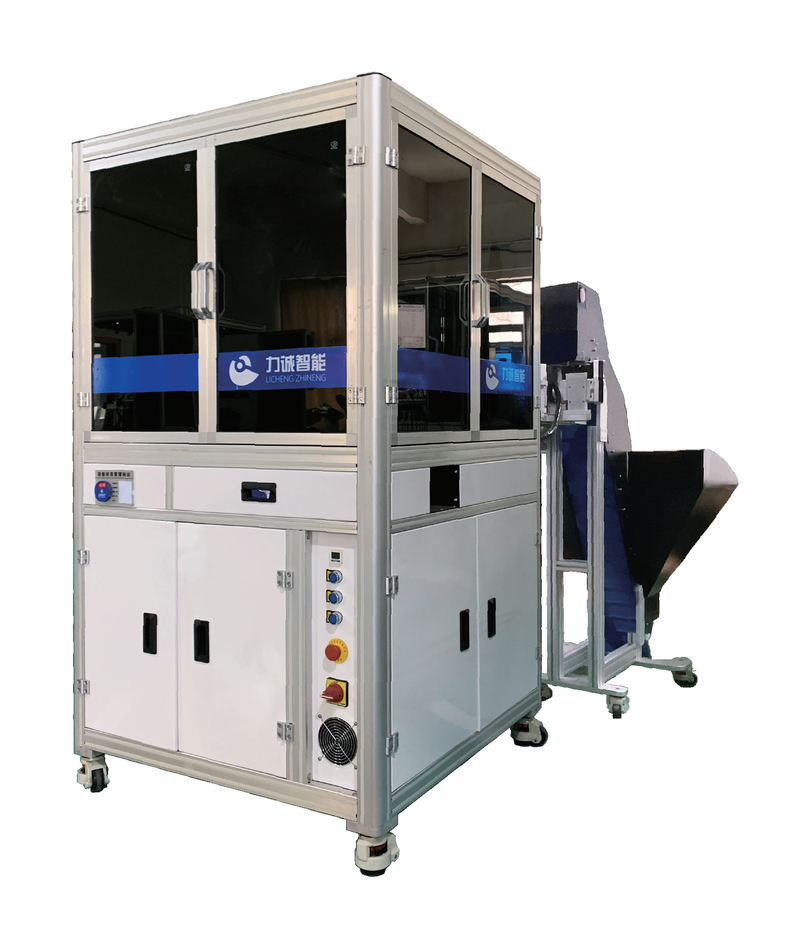
360 Inspection
Side crack and full-circumference inspection
When defects are on the side, outer circumference or positions that flat cameras cannot cover reliably, a 360-degree structure can inspect the full circumference.
- Recommended systems: SCrack360 / DExpert360
- Modules: compression, side cameras and multi-angle imaging
- Defects: cracks, edge notches, circumferential deformation and side anomalies
Project Evaluation Focus
- Sample input
- Provide side-crack, edge-notch and circumferential deformation samples plus hardness data.
- Validation focus
- Confirm whether compression or multi-angle imaging covers the full circumference.
- Configuration boundary
- Diameter, elasticity, oil and reflection conditions affect mechanics and lighting.
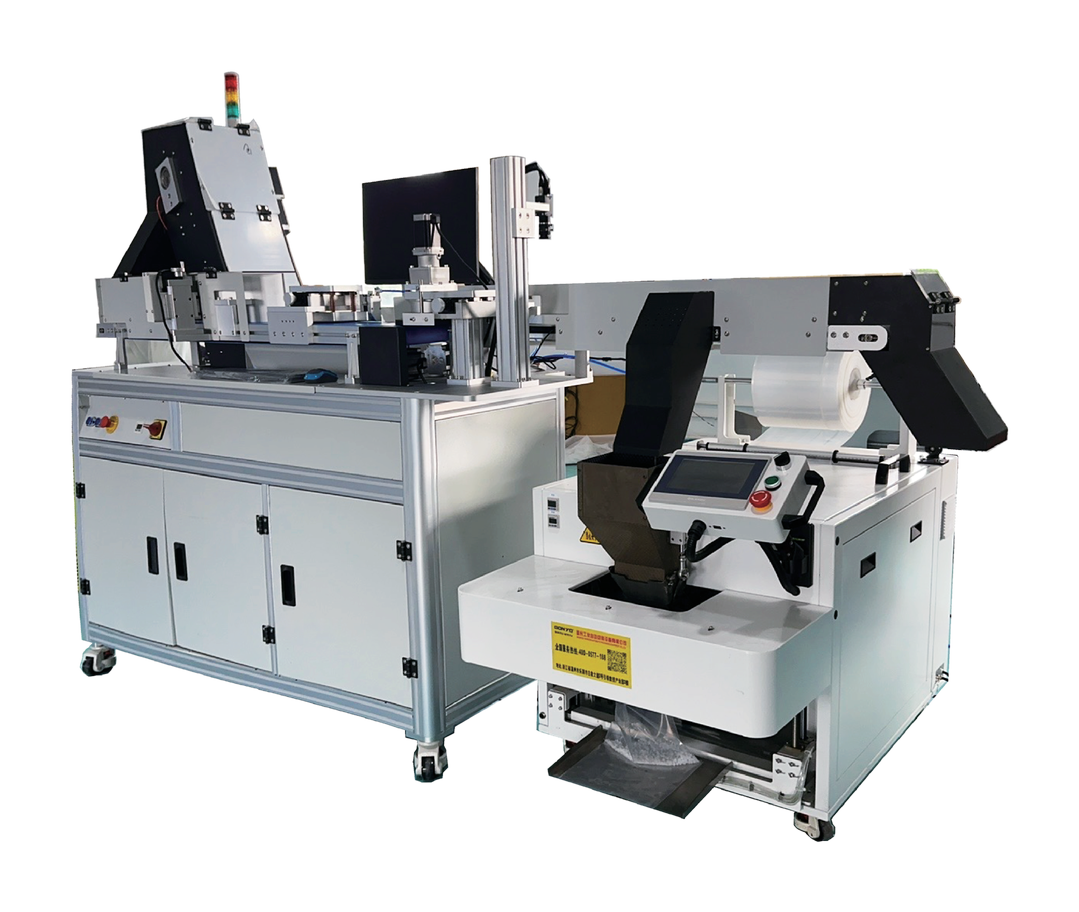
Counting & Packaging
Post-inspection visual counting and bagging
For products that need counting, sorting, bagging and batch management after inspection, reducing manual counting errors.
- Recommended system: AutoBag vision counting and packaging machine
- Modules: vision counting, automatic bagging and batch statistics
- Integration: upstream inspection, reject handling and package size switching
Project Evaluation Focus
- Sample input
- Provide target count per bag, package format, OK / NG flow and batch rules.
- Validation focus
- Verify counting stability, jam risk, bagging cycle and missed or duplicate counts.
- Configuration boundary
- Upstream inspection, manual review and changeover frequency shape the final solution.
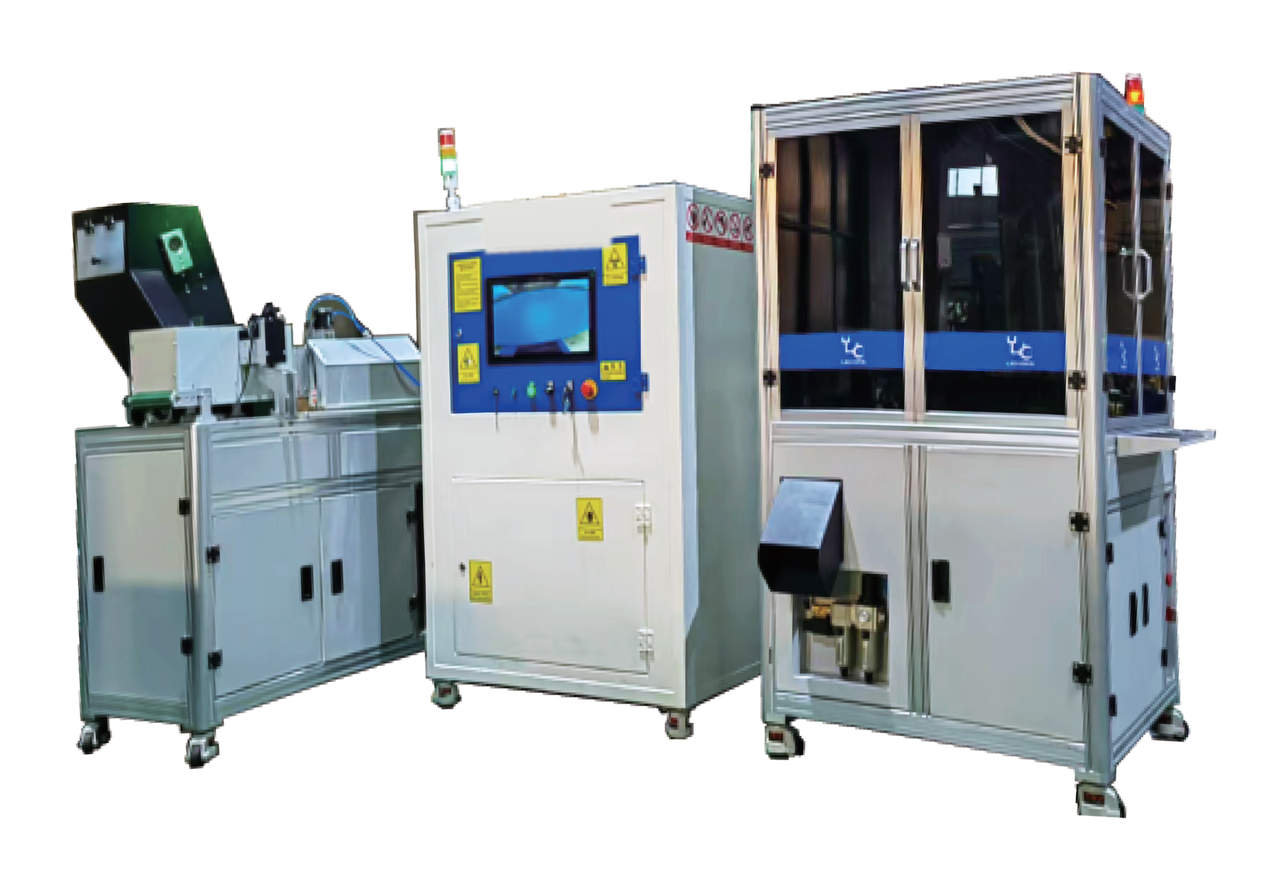
X-Ray Inspection
Internal bubbles, inclusions and crack inspection
When conventional optical vision cannot observe internal structures, X-Ray imaging can be evaluated for supplemental inspection.
- Recommended system: X-Ray visual inspection system
- Modules: X-Ray imaging, internal defect recognition and automatic sorting
- Defects: inclusions, bubbles, internal cracks and thickness anomalies
Project Evaluation Focus
- Sample input
- Provide material thickness, internal-defect samples, criteria and safety requirements.
- Validation focus
- Confirm enough imaging contrast for bubbles, inclusions, cracks and internal features.
- Configuration boundary
- Material density, thickness, throughput and shielding requirements define the X-Ray setup.